FintechZoom Nasdaq: What the Platform's Market Coverage Actually Delivers
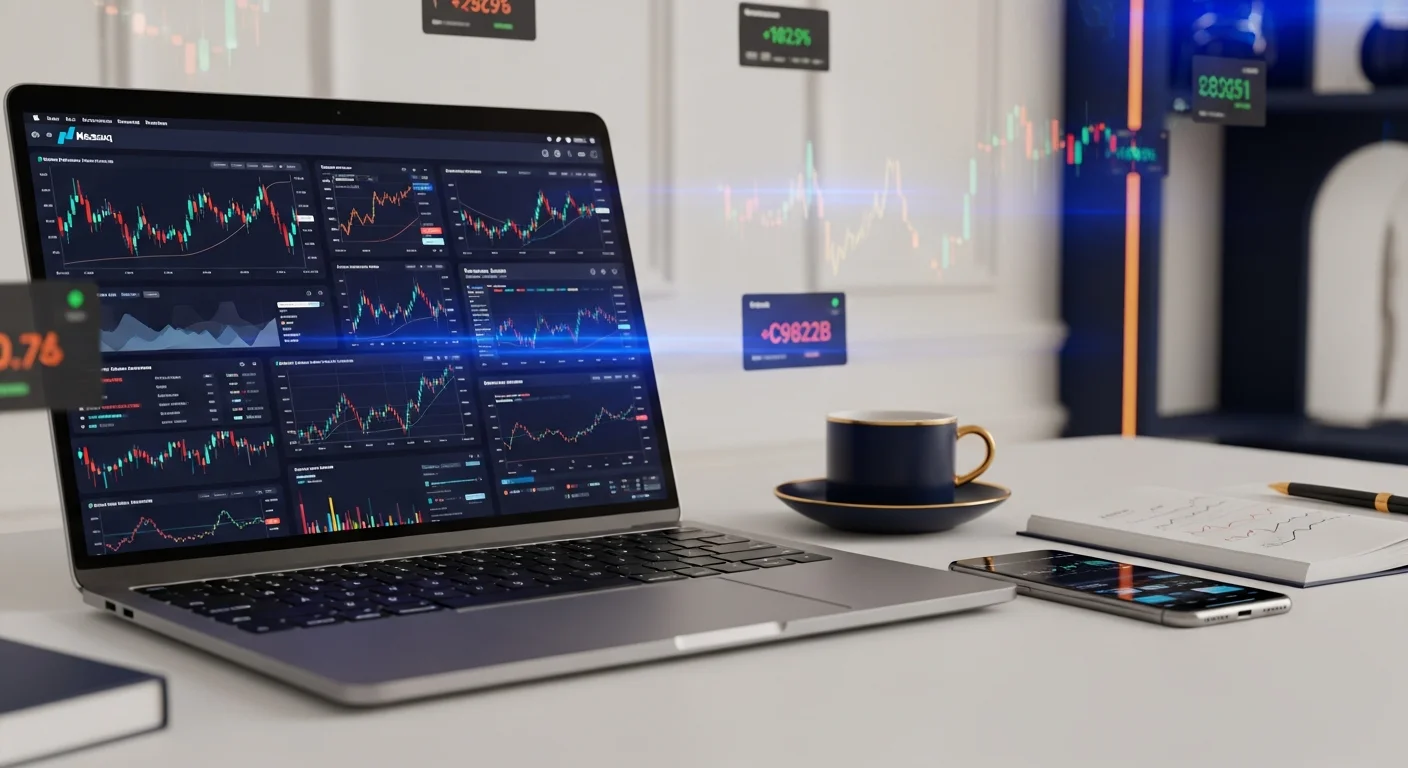
FintechZoom Nasdaq coverage has become one of the most referenced resources for retail investors tracking technology-heavy index movements. The platform publishes daily analysis on Nasdaq-listed companies, from mega-cap tech leaders to speculative early-stage biotechs. Its rapid growth paralleled the retail trading boom of 2020 and 2021, when individual investors sought fresh perspectives beyond traditional Wall Street outlets. Understanding what FintechZoom provides, and where it stands relative to competitors, helps readers use the platform more effectively.
The site's Nasdaq content spans real-time price commentary, earnings summaries, and written stock recommendations from a rotating roster of contributors. Some investors treat FintechZoom picks as actionable trade signals. Others use the site for broader market context. Both approaches carry trade-offs, and knowing the editorial process behind each recommendation matters. This guide explains how FintechZoom covers the Nasdaq exchange, what data it publishes, and how its methodology compares to established financial news sources.
What Is FintechZoom.com?
FintechZoom.com is a financial news website founded to deliver market analysis, stock commentary, and investment education to individual investors. The platform launched before the 2020 market volatility and grew rapidly as retail trading volumes surged. Its editorial team covers major US exchanges, with particular emphasis on the Nasdaq stock market and technology sector listings. The site organizes content by ticker symbol, market sector, and news category so readers can navigate quickly between topics.
The platform is not a registered investment advisor. FintechZoom publishers operate as independent contributors and freelance analysts rather than licensed financial professionals. This distinction shapes how readers should interpret the recommendations and price targets published on the site. The content serves as information and opinion rather than personalized financial advice, and users who make trading decisions based on FintechZoom articles assume full responsibility for those choices.
Why Do Investors Use FintechZoom for Nasdaq Analysis?
Investors turn to FintechZoom Nasdaq coverage because the platform focuses heavily on technology, biotech, and growth stocks listed on the Nasdaq exchange. This specialization matters during periods when the Nasdaq Composite leads broader market returns or experiences sharp pullbacks. FintechZoom writers often highlight individual stocks before they appear in mainstream financial headlines, which creates a timing advantage for active readers who check the site throughout the trading day.
The platform's popularity also stems from its accessibility. Articles avoid dense institutional jargon while still addressing technical indicators, valuation metrics, and earnings data. This balance appeals to new investors learning market terminology alongside experienced traders scanning for fresh stock ideas. FintechZoom's contributor model lets writers publish opinion pieces alongside data-driven analysis, giving readers multiple perspectives on the same Nasdaq holding within a single browsing session.
What Types of Nasdaq Data Does FintechZoom Publish?
FintechZoom publishes several formats of Nasdaq-related data each trading day. The site features real-time price commentary during market hours, with writers updating articles as significant price movements occur. Pre-market and after-hours trading coverage explains volume spikes and price gaps on Nasdaq-listed names. These updates often reference options activity, analyst ratings from major banks, and sector-wide catalysts such as FDA decisions or product launches.
Beyond intraday commentary, FintechZoom produces long-form analysis pieces that examine quarterly earnings reports in detail. Writers compare actual results against consensus estimates, note management guidance changes, and project how institutional investors might adjust positions. The platform also maintains stock-specific pages that aggregate news headlines, basic financial data, and a recommendation history for each Nasdaq ticker. This centralized format saves readers time when researching unfamiliar holdings without opening four or five separate browser tabs.
How Does FintechZoom's Stock Recommendation System Work?
FintechZoom contributors submit stock recommendations under a contributor model that decentralizes editorial authority. Each writer develops independent price targets, rating calls, and thesis arguments based on their own research process. The platform does not maintain a single unified rating system like Wall Street firms that employ dedicated teams covering specific sectors. Instead, readers encounter multiple ratings on the same stock from different contributors within the same week.
This structure creates variety but also inconsistency. One FintechZoom analyst might rate a Nasdaq stock as a strong buy, while another contributor publishes a bearish case on the same name days later. The platform includes contributor bios and sometimes disclosure statements so readers can evaluate potential biases. Investors who track FintechZoom recommendations should note the publication date and compare calls from multiple authors before acting. The contributor-driven approach reflects the site's origins in retail-investor advocacy rather than institutional research standards.
What Are the Most Popular FintechZoom Nasdaq Stock Picks?
During the peak of meme stock interest, FintechZoom published frequent coverage on high-profile Nasdaq listings including GameStop, AMC Entertainment, and Robinhood Markets. These picks generated millions of page views as retail investors debated whether institutional short-sellers faced significant losses. The platform's writers documented price action, options flow, and social media sentiment alongside traditional fundamental metrics. This coverage style attracted readers who wanted narrative-driven analysis together with hard financial data.
Beyond the meme stock phenomenon, FintechZoom regularly features Nasdaq technology leaders such as Apple, Microsoft, NVIDIA, Tesla, and Amazon. Quarterly earnings previews and wrap-ups on these mega-cap names consistently rank among the site's most-read articles. Biotech stocks listed on Nasdaq also receive heavy coverage, particularly companies with pending FDA decisions. The variety of picks reflects the contributor model, where writers choose holdings within their stated areas of expertise. No single stock pick from FintechZoom represents an official platform position or consensus view.
When Did FintechZoom Gain Prominence in Market Coverage?
FintechZoom's audience growth accelerated during 2020 and 2021 as the pandemic drove millions of new investors into the stock market. The platform benefited from increased retail trading volumes and heightened public interest in market news. Its coverage of meme stocks and short squeezes during this period mainstreamed the site among investors who previously relied on Bloomberg, CNBC, or brokerage research departments. The rapid expansion introduced FintechZoom to a global audience beyond its initial US retail-investor base.
The platform has maintained its visibility even as meme stock volatility declined. Regular coverage of artificial intelligence-related Nasdaq winners, semiconductor supply chains, and interest rate-sensitive technology valuations keeps FintechZoom relevant to current market conversations. The site's contributor network has grown, with writers specializing in energy stocks, healthcare IPOs, and cryptocurrency-related equity offerings. This diversification helps FintechZoom sustain traffic across different market regimes rather than depending solely on speculative trading narratives.
How Does FintechZoom Compare to Other Financial News Sources?
Compared to established financial news organizations, FintechZoom occupies a distinct position in the market information ecosystem. Yahoo Finance and MarketWatch offer comparable real-time Nasdaq data and earnings summaries, but their contributor models differ significantly. Yahoo Finance publishes wire-service content alongside original analysis from employed staff, while FintechZoom relies primarily on freelance contributors. Seeking Alpha operates a similar contributor network with a stronger emphasis on quantitative analysis and institutional-grade financial metrics. Benzinga competes most directly with FintechZoom on speed and retail-investor focus, though Benzinga maintains more formal editorial guidelines for its contributors.
The primary differentiator for FintechZoom remains its willingness to publish aggressive price targets and speculative theses that traditional outlets might reject. This editorial freedom generates viral content but also exposes readers to less-vetted claims. Institutional investors treat FintechZoom as a sentiment indicator rather than a primary research source. Retail investors should adopt a similar approach, using FintechZoom as one input among many rather than the sole basis for Nasdaq trading decisions on individual positions.
Who Is the Target Audience for FintechZoom's Nasdaq Content?
FintechZoom Nasdaq content targets retail investors who actively trade individual stocks rather than passive index-fund investors. The platform's writers assume readers understand basic market terminology, options concepts, and earnings report structures. This positioning attracts day traders, swing traders, and part-time investors who research holdings before entering positions. The audience skews younger than traditional financial-media readers, with significant engagement from traders who discovered the stock market during the 2020 to 2021 retail trading boom.
The content also appeals to financially curious readers who follow market news without maintaining active portfolios. Nasdaq coverage of major technology companies and trending IPOs generates casual readership from technology professionals, startup employees, and personal finance enthusiasts. FintechZoom's free access model removes barriers to entry that limit readership at paid research platforms. The combination of active traders and curious observers creates a broad demographic that advertisers targeting financial products find valuable for customer acquisition.
What Should Investors Know Before Following FintechZoom's Advice?
Investors should treat FintechZoom Nasdaq stock picks as starting points for further research rather than actionable trade signals. The contributor model means recommendation quality varies significantly across writers, and some contributors have financial interests in the stocks they discuss. Disclosures are present but inconsistent, and conflicts of interest are not always obvious from the article text alone. The platform's speed advantage — publishing quickly on breaking Nasdaq news — can come at the cost of thorough fact-checking during the most volatile trading sessions each quarter.
Readers who incorporate FintechZoom analysis into their process should verify key claims using SEC filings, earnings call transcripts, and data from established providers. Establishing a personal checklist for evaluating any stock recommendation, regardless of its source, reduces exposure to biased or poorly researched content. The most experienced FintechZoom users treat the platform as a screening tool that highlights interesting Nasdaq names, then performs deeper due diligence before committing capital. This discipline separates informed investing from impulsive trading driven by headline reactions.
Understanding how FintechZoom covers the Nasdaq exchange gives investors better context for evaluating its stock picks and market commentary. The platform delivers speed and accessibility, but it operates without the compliance infrastructure of licensed investment advisors. Readers who combine FintechZoom content with independent research on financial statements, institutional ownership data, and broader economic trends position themselves to make more balanced Nasdaq investment decisions.
Frequently Asked Questions About FintechZoom Nasdaq: What the Platform's Market Coverage Actually Delivers
What Nasdaq index does FintechZoom cover most frequently?▼
Is FintechZoom's Nasdaq analysis free to access?▼
How does FintechZoom source its Nasdaq contributor network?▼
Can FintechZoom stock picks move Nasdaq-listed share prices?▼
Senior SEO Specialist and founder of CracksTubeOnline. Passionate about digital media, content strategy, and building authoritative online platforms.